
Недвижимость за рубежом - это хорошая возможность инвестировать капитал ... Читать далее
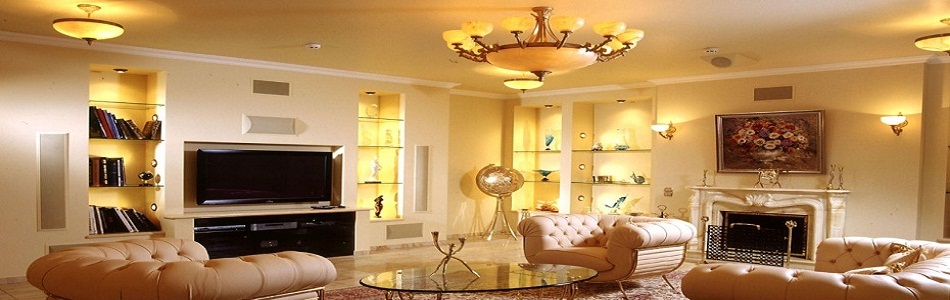
Проектирование освещения квартиры, дома или отдельной комнаты - это немаловажный элемент дизайна ... Читать далее

Тот или иной стиль интерьера - это гармоничная совокупность определенных черт, единство художественного направления ... Читать далее

Ландшафтный дизайн участка или озеленение участка - это правильное планирование и зонирование ландшафта территории, подбор растений и определение их места на приусадебном участке ... Читать далее
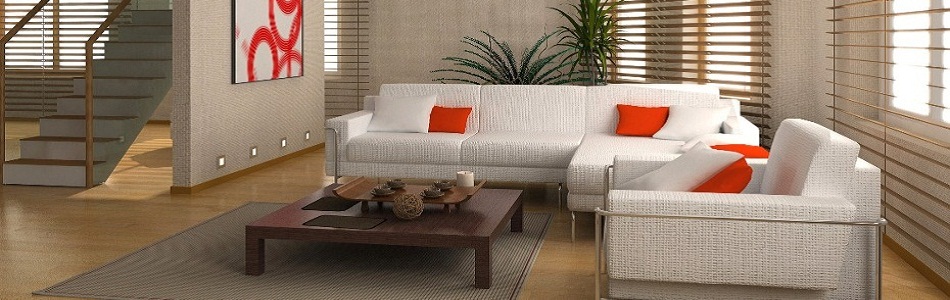
Дизайн интерьера позволяет организовать пространство таким образом, чтобы все элементы интерьера гармонично сочетались, наполняли дом здоровой энергетикой, создавали уютную атмосферу ... Читать далее
| The physics of PBR materials: understanding surface reflection in 3D design |
| 03.05.2026 18:46 | ||||||||||||||||||
|
In the modern era of 2026, the industry has standardized around Physically Based Rendering, commonly known as PBR. This methodology relies on heavy mathematical models to ensure that digital materials behave exactly like their real world counterparts. For a professional visualization studio, understanding the underlying physics of these materials is vital for creating high end results. This expert analysis explores the core principles of PBR and explains why specialized platforms such as 3DRush are essential for maintaining these rigorous technical standards through perfectly calibrated assets. Microfacet Theory and the Nature of RoughnessAt the microscopic level, very few surfaces are perfectly smooth. Even a piece of polished glass possesses tiny irregularities that affect the way light reflects off its surface. This concept is known as microfacet theory. In a PBR workflow, the roughness or glossiness map defines the distribution of these microscopic bumps. When a surface is smooth, the microfacets are aligned, creating a sharp and clear reflection. When a surface is rough, the microfacets are oriented in different directions, causing the light to scatter and creating a blurred or matte reflection. The technical challenge for many artists is finding assets that accurately represent these microscopic details. Many models from unverified legacy repositories use artistic "fakes" rather than physically accurate data. When you utilize professional 3D furniture models from a curated source, you ensure that every material is built using real world scan data. This ensures that the transition from a sharp highlight to a soft glow happens naturally, respecting the laws of physics and providing the viewer with a sense of tangible reality. The Principle of Energy ConservationOne of the most important rules in PBR is the principle of energy conservation. This rule states that a surface cannot reflect more light than it receives. While this sounds simple, it is a common point of failure in poorly constructed shaders. If a material reflects too much light while also having a high diffuse value, it will appear to glow or look "burnt out" in the final render, destroying the illusion of photorealism. Expertly crafted materials must be balanced so that the sum of the diffuse and specular components never exceeds the total incoming light energy. Platforms such as 3DRush take this technical burden off the artist. Every asset in our ecosystem is pre calibrated to respect energy conservation, meaning that whether you place an object in a dark interior or a bright sunlit plaza, the materials will behave predictably and realistically. This level of reliability is what allows top tier studios to produce consistent work across diverse projects. Quantitative Analysis: Material Accuracy and Rendering SpeedThe quality of a shader does not only affect the visual output but also the performance of the rendering engine. Shaders that are built with unnecessary complexity or incorrect math can significantly increase render times.
Table 1.1: Performance comparison between legacy shaders and optimized PBR materials. The data proves that technical accuracy leads to faster rendering and cleaner images. The Role of IOR and the Fresnel EffectThe Fresnel effect describes how the reflectivity of a surface increases as the viewing angle becomes more grazing. This is a universal physical phenomenon; even a matte brick wall will show a slight reflection if viewed from a very sharp angle. In a professional PBR material, this is governed by the Index of Refraction, or IOR. Achieving a professional look requires using the correct IOR values for specific materials: wood, plastic, metal, and glass all have distinct mathematical signatures. Many artists struggle with these values, often guessing until the result looks "okay." By providing high quality free 3D models that already include these correct IOR settings, we help educate the community and establish a higher baseline for quality. When the foundation is correct, the artist can focus on the creative composition rather than the technical minutiae of material science. Automation: Standardizing Materials Across Large ProjectsIn a large scale architectural project, maintaining material consistency is a major logistical hurdle. If different artists use different shader logic for the same types of wood or metal, the final images will feel disconnected. Automation is the only way to solve this at scale. The assets within the 3DRush ecosystem are designed to work within a unified material framework. This allows studios to use automated scripts to swap out materials or adjust the color of entire furniture sets across hundreds of project files. Because every asset follows the same PBR logic, these automated tools work flawlessly every time. This integration of high quality data and intelligent software is what allows modern studios to handle massive workloads without sacrificing the technical purity of their output. E E A T and the Authority of Technical PrecisionTrust in a visualization studio is built on the technical precision of their work. A client might not know the term "energy conservation," but they will intuitively notice when a material feels wrong. Being an authority in the field means understanding these deep technical concepts and applying them consistently. Utilizing assets that are engineered for PBR accuracy is a clear signal of professional expertise. It shows that the studio values quality over convenience and understands the rigorous demands of modern architectural marketing. By partnering with 3DRush, artists ensure that their work is built on a foundation of scientific accuracy, which in turn builds their reputation as a trusted expert in the visualization industry. Future Trends: Layered Shaders and Real Time EvolutionAs we move forward into 2026, the complexity of materials continues to grow. We are seeing more use of layered shaders to simulate complex surfaces like car paint or dust covered furniture. These advanced materials require even more precise geometric data to render correctly. Furthermore, the shift toward real time rendering in engines like Unreal Engine has made PBR standards even more critical. Real time engines are far less forgiving than traditional offline renderers; if a material is not built correctly, it will cause severe visual artifacts in a virtual reality environment. Our commitment to technical purity ensures that our assets are ready for this hybrid future, providing a seamless experience whether you are producing a static 8K render or an interactive walkthrough. Conclusion: The Science of Digital SurfacesThe transition to physically based rendering has turned material creation into a true science. By understanding microfacet theory, energy conservation, and the Fresnel effect, you can elevate your work to the highest level of photorealism. However, you do not have to do all the heavy lifting yourself. We invite you to experience the precision of professionally engineered materials. Stop wasting time fixing broken shaders and start building your scenes on a foundation of scientific accuracy. Explore the curated collections at 3DRush and discover how our PBR compliant assets can transform your creative process. The future of visualization is built on a marriage of art and physics; make sure your tools are up to the challenge. This analysis is part of our deep content series focused on the technical foundations of the 3D industry. For more expert insights into material science and studio optimization, please visit our technical resource center. |
 The achievement of true photorealism within a digital environment is fundamentally dependent on the accurate simulation of how light interacts with physical surfaces.